

Why water damage in Keene is a local problem
The Ashuelot River runs through Keene, and the city has its own record of flood damage in 2005 and again in 2012. Federal weather normals put annual precipitation near 41 inches, and cold winters freeze pipes in unheated walls. Together those facts explain most of our calls.
Much of the older housing near Main Street and Court Street has plaster walls, old plumbing and stone or brick foundations. West Keene, the Beaver Mills district on Railroad Street and the streets around Keene State College each bring their own building types and their own failure points. A good job starts with knowing which kind of building you have.
What counts as an emergency
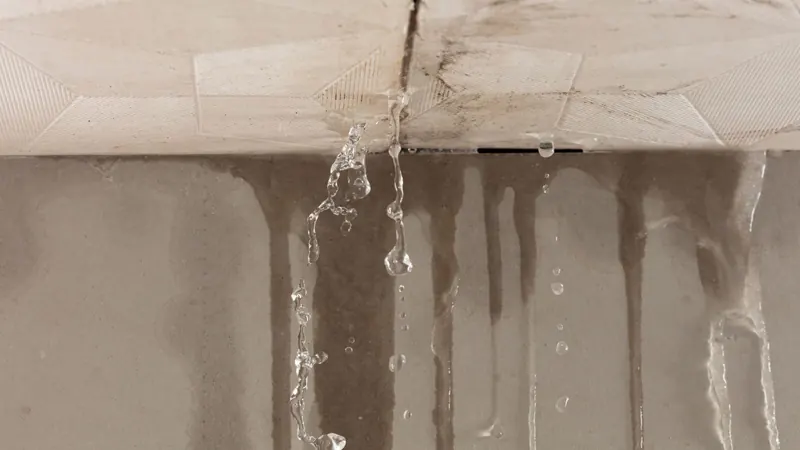
Treat it as an emergency when water is still running, when more than a small area is wet, when it came from a drain or backup, or when it is near the electrical panel. Call the 24/7 line in those cases. For a slow drip that you have already stopped, call during the day, because speed still matters but the risk is lower.
How the year shapes our calls
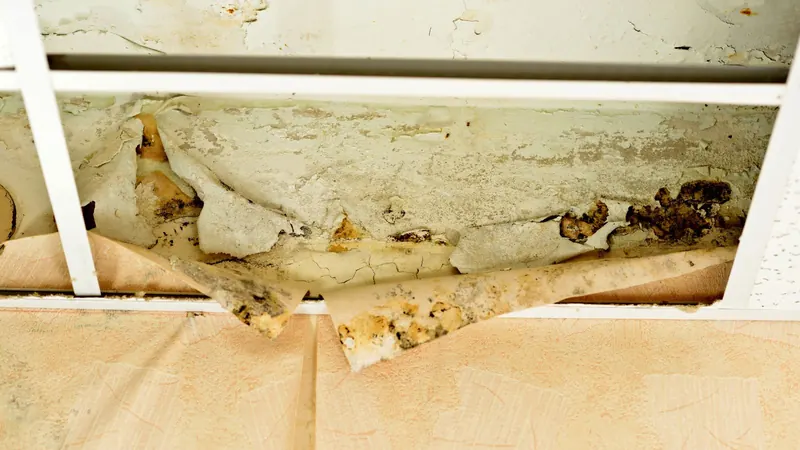
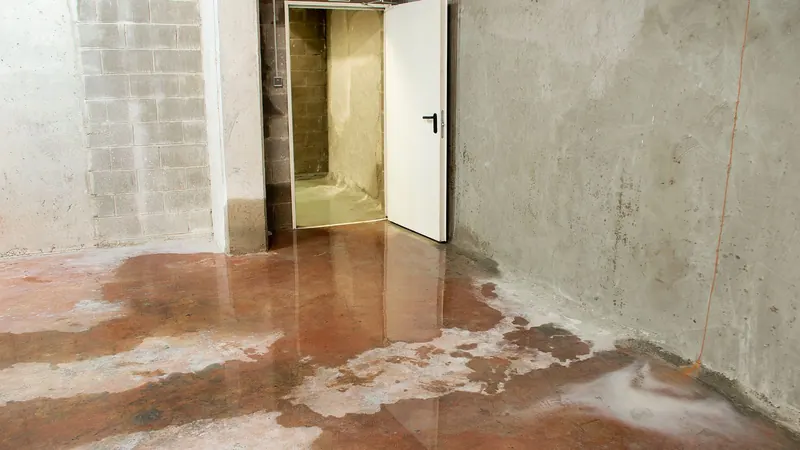
Winter brings frozen and split lines, ice dams at the eaves and wet ceilings under them. Spring snowmelt pushes groundwater into basements along the river valley, and summer thunderstorms can overload gutters and drains in a few minutes. Fall is the quiet window to check sump pumps, hoses and roof edges before the cold returns.
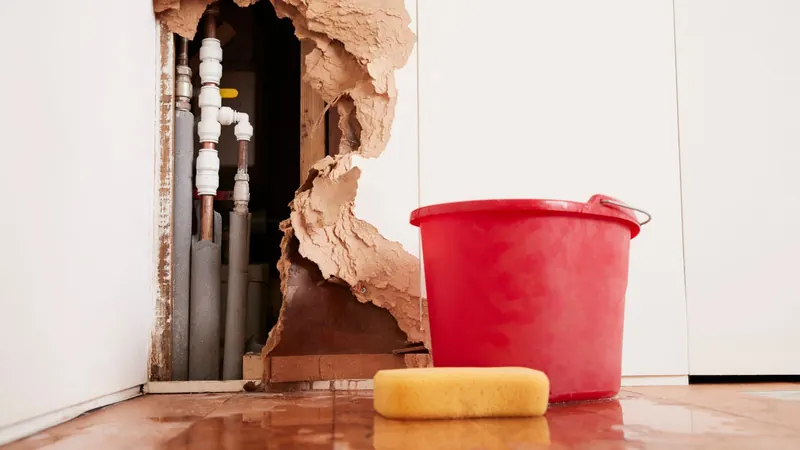
Because the cause changes with the season, the first question we ask is where the water came from. A clean supply line, a rain intrusion and a backed-up drain are three different jobs, with different protective steps and different insurance questions. Tell the dispatcher what you can see and they will sort the rest.
What a crew checks before drying starts
- Where the water entered and whether it has been stopped
- Which materials are wet: carpet, pad, drywall, insulation, subfloor or framing
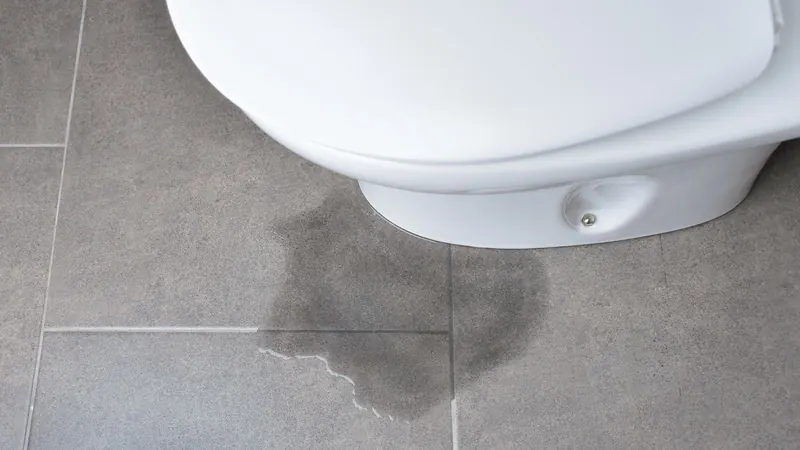
- Whether the water came from a clean source or from a drain, sewer or flood
- Moisture readings in each wet room, logged so drying can be tracked day to day
Those four checks set the equipment list and the plan. They also decide what must be thrown out and what can be dried in place, which is the biggest swing in cost on most jobs.
A look at the process
| Stage | What happens |
|---|---|
| Assessment | Moisture meters and a thermal camera map where the water went |
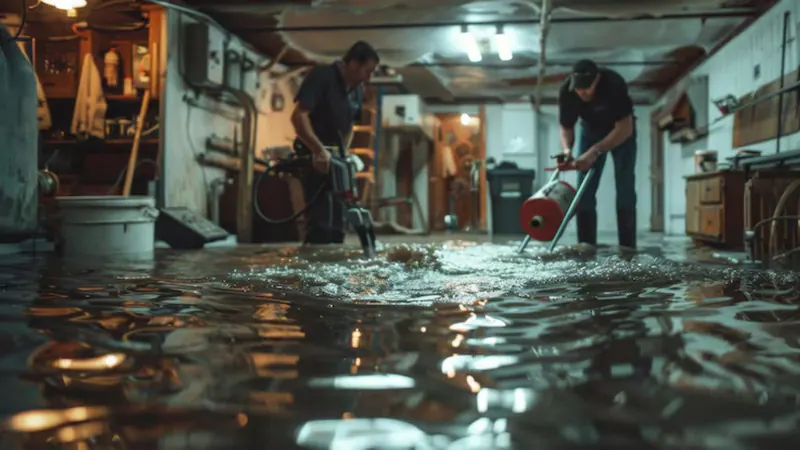
| Extraction | Pumps and extractors remove standing water |
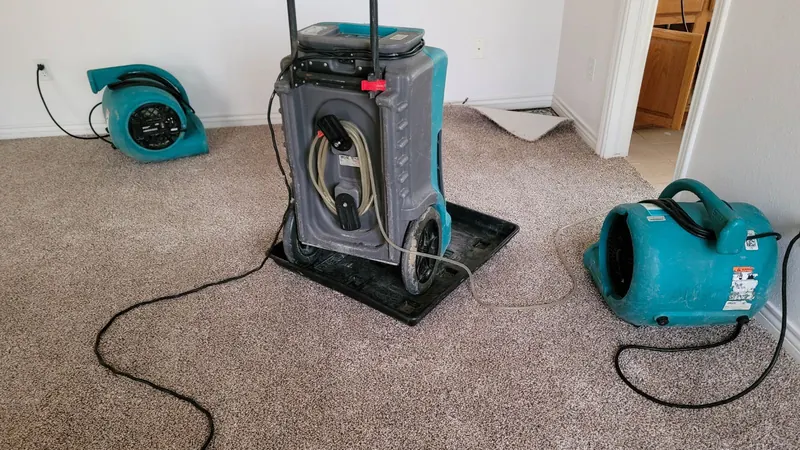
| Drying | Air movers and LGR dehumidifiers run until readings are back to normal |
| Repair | Wet drywall, insulation and flooring are removed or repaired as needed |