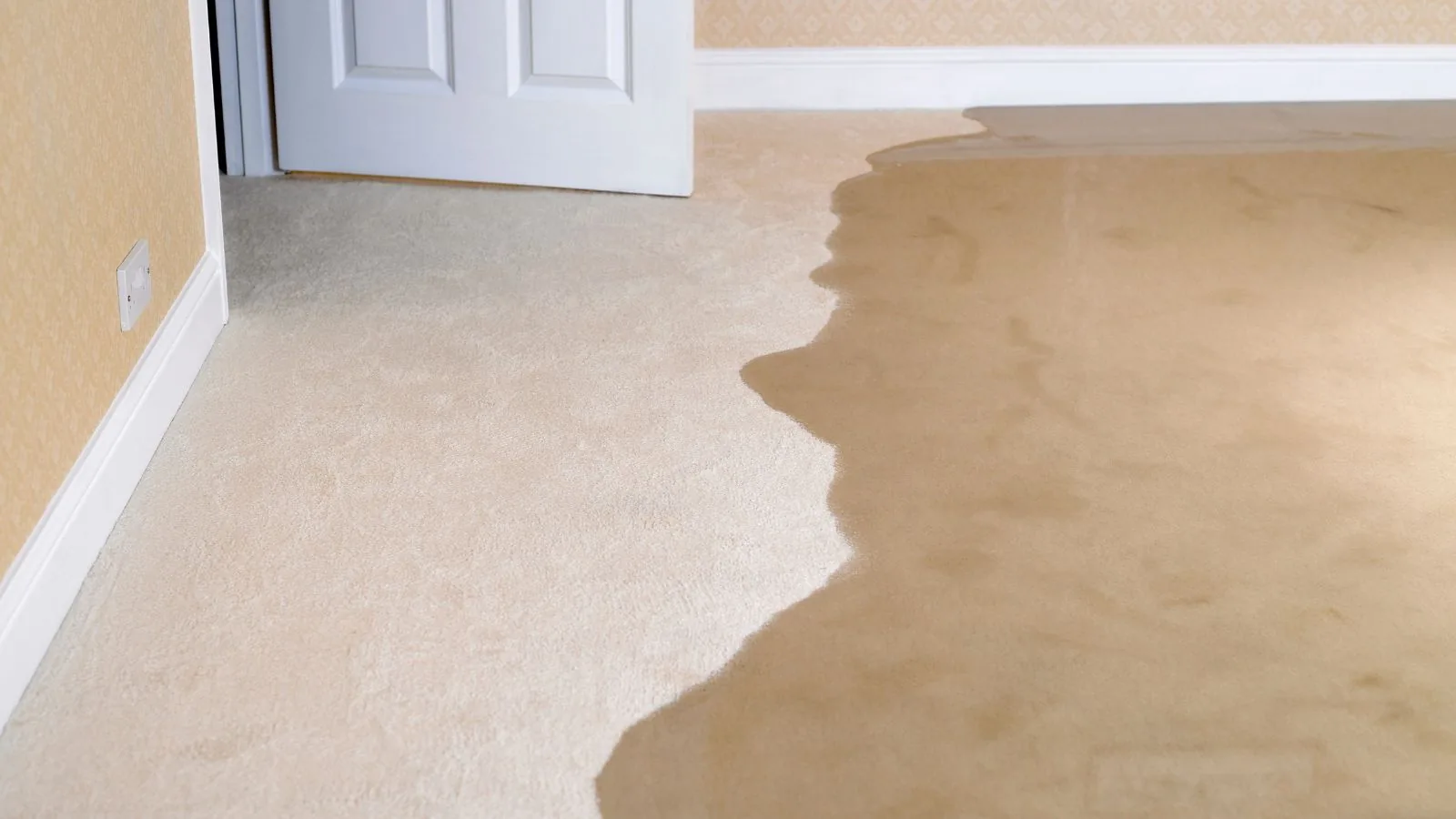
Wet carpet: what to do in the first hours
Carpet fibers dry quickly, but the pad underneath does not. Water that stays in the pad can wick back up, cause odors and feed mold. Lift furniture, put aluminum foil or plastic under legs that cannot be moved and blot standing water. Open windows if the weather allows, and avoid running a vacuum that is not rated for wet use.
Call us as soon as you can. We can extract water with a truck-mounted or portable unit, pull back a corner to check the pad and subfloor and tell you what we find. Speed matters here more than almost anywhere else in water damage.
Why water category matters for carpet
Clean water from a supply line, a washing machine hose or an overflowing tub is Category 1. If it sat for a day or more or picked up dirt, it may be Category 2. Contaminated water, such as a sewage backup or flood water, is Category 3. The ANSI/IICRC S500 standard guides what happens to carpet in each case.
In general, clean-water carpet can often be extracted, cleaned and dried in place. Carpet that sat in contaminated water is normally removed and replaced, because it cannot be reliably sanitized. For the water types, see flood damage cleanup and sewage backup cleanup.
How we dry carpet and pad
We start by extracting as much water as possible, then lift or detach carpet at the edges to expose the pad. In most cases the pad is removed and thrown away, because it is inexpensive compared with carpet and it is the part that holds odors. The carpet is dried over the subfloor with air movers, and a dehumidifier handles the room.
We check the tack strips and baseboards, and we test the subfloor with a moisture meter. If the readings are high, we keep drying before the carpet goes back down. Reinstalling carpet over a damp subfloor is the usual cause of musty carpet weeks later. For the drying process, see structural drying.
Carpet still wet?
Call and tell us how long it has been wet. The dispatcher answers at all hours.
Save or replace: how we decide
| Condition | Likely outcome |
|---|---|
| Clean water, caught within about a day | Carpet extracted and dried. Pad replaced if it stayed wet |
| Clean water, sat for several days | Carpet may be saved if odor and moisture are low. Pad replaced |
| Gray or contaminated water | Carpet and pad removed |
| Visible mold on the back of the carpet | Carpet removed. Subfloor checked and cleaned |
What affects the cost
Carpet pricing starts with how much is wet and for how long.
- Water category. Clean water is simpler than contaminated water
- Time wet. Carpet caught fast is more likely to be saved
- Area. More square feet need more equipment and labor
- Pad and tack strip. Pad removal and replacement are a separate material cost
- Subfloor drying. Readings decide how many days of equipment
To price your carpet job, call (603) 550-7813.
Insurance and carpet water damage
Policies often cover carpet damage from a sudden leak but not from slow seepage, and flood damage usually needs a separate policy. Check yours or ask your insurer. We provide dated photos and readings and cannot speak for your insurer.
Carpet Water Damage questions, answered
Can you pull water out of carpet after hours?
Yes, if water is active. The line is open 24 hours a day. We respond the same day when we can and avoid naming an arrival time we might miss.
How long before wet carpet gets moldy?
It depends on conditions, but mold can start growing after a day or two in damp, warm conditions. Fast extraction and drying reduce the risk. See our mold remediation page if you already see growth.
Can I save my carpet if I do not replace the pad?
Sometimes, but the pad usually holds water and odor, and it is the cheaper part to replace. Most professionals remove and replace it.
Is it safe to keep walking on wet carpet?
It spreads dirt and can damage fibers and the pad. Keep traffic off until we have extracted the water.
Call (603) 550-7813 about carpet water damage.