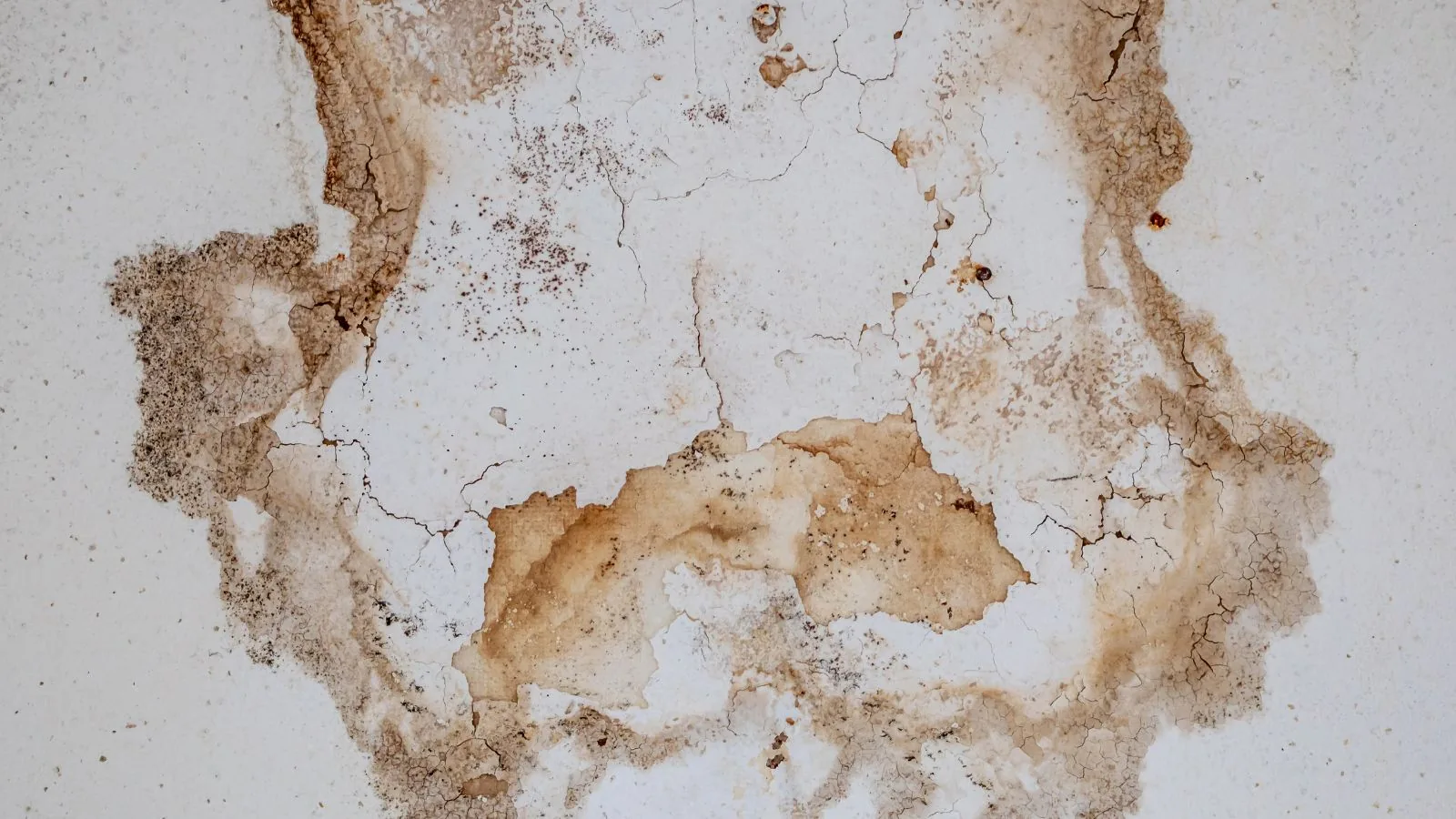
When storm water is an emergency
Storm damage is urgent because the opening stays open. If rain or snowmelt is coming in through a roof, window or wall, get the water contained, and temporary covers on the opening reduce further damage. Tarps and plywood are roofer and carpenter jobs, and many contractors offer emergency board-up. Call one, and call us for the water inside.
Stay out from under wet ceilings, and stay clear of fallen limbs or wires. If wires are down or water has reached the panel, call the utility or 911. Our line is open 24 hours a day, including during and after storms when other offices are closed.
How storm water gets into a Keene home
Water gets in through the roof, windows, chimneys, flashing and walls, and wind pushes rain sideways past defenses that would hold in calm weather. New Hampshire winters add ice dams, where melting snow refreezes at the eave and forces water under shingles. With about 41 inches of precipitation in a typical year, a Keene roof gets plenty of tests.
A storm leak differs from a plain roof leak in scale. A single roof stain is a ceiling repair, which our ceiling water damage page covers. Storm damage often means several openings, wet attics and wet walls at once, which is why moisture mapping matters before anyone starts patching.
What we do after a storm
We start with the inside. Wet insulation and ceiling drywall that cannot be saved are removed, standing water is extracted and the remaining structure is dried. If water ran down inside walls, we open small sections to check cavities. We record everything with photos and readings, because storm claims often involve adjusters who want to see conditions before and after.
Flooding from rising water is different. If the source is overflowing rivers or surface water rather than rain through the roof, see our flood damage cleanup page. The city's own analysis names floods in 2005 and 2012, so know which type of loss you have, because policies treat them differently.
Storm water coming in?
Cover the opening if it is safe, then call. We answer around the clock.
Storm damage and what to ask before repairs start
| Question | Why it matters |
|---|---|
| Who is covering the opening? | More rain or snow will keep coming in until it is closed. |
| Has the adjuster seen it? | Photos help, but some insurers want to inspect before removal. |
| Do repairs need a permit? | The City of Keene says structural, electrical and plumbing work usually does. Ask Community Development. |
| Is the roof safe to walk on? | A roofer should assess it. Do not climb up yourself. |
What affects the cost
Storm losses vary, so we explain scope first.
- Number of openings. Several leaks mean several wet areas
- Insulation and ceilings. Wet attic insulation and drywall are removed
- Wind-driven rain on walls. Water in wall cavities needs careful opening and drying
- Drying days. Wind-driven rain wets cavities unevenly, so dry-down varies room by room
- Exterior repair. Roofing and siding are separate trades
Call (603) 550-7813 after the storm for a figure.
Insurance and storm water damage
Wind and rain damage through a storm-created opening is often covered under homeowners policies, while rising ground water is usually not. Read yours or ask your insurer. We keep readings and photos so the sequence of events is clear.
Storm Water Damage questions, answered
Do you take calls in the middle of a storm?
Yes, the line stays open during storms. Roads may slow a crew, and we say so honestly when they do. The aim is a same-day response, and no arrival time is promised or implied.
Can you tarp my roof?
No. A roofer tarps or repairs the roof. We handle the water inside and the drying.
Is storm damage the same as flood damage?
No. Storm damage usually comes through the roof, windows or walls. Flood damage comes in as rising or surface water. Insurance treats them differently, so describe the source.
What if my ceiling is bulging?
Keep people away and relieve the pressure by puncturing the lowest point and catching the water. Then call us and read our ceiling water damage page.
Call (603) 550-7813 about storm water damage.