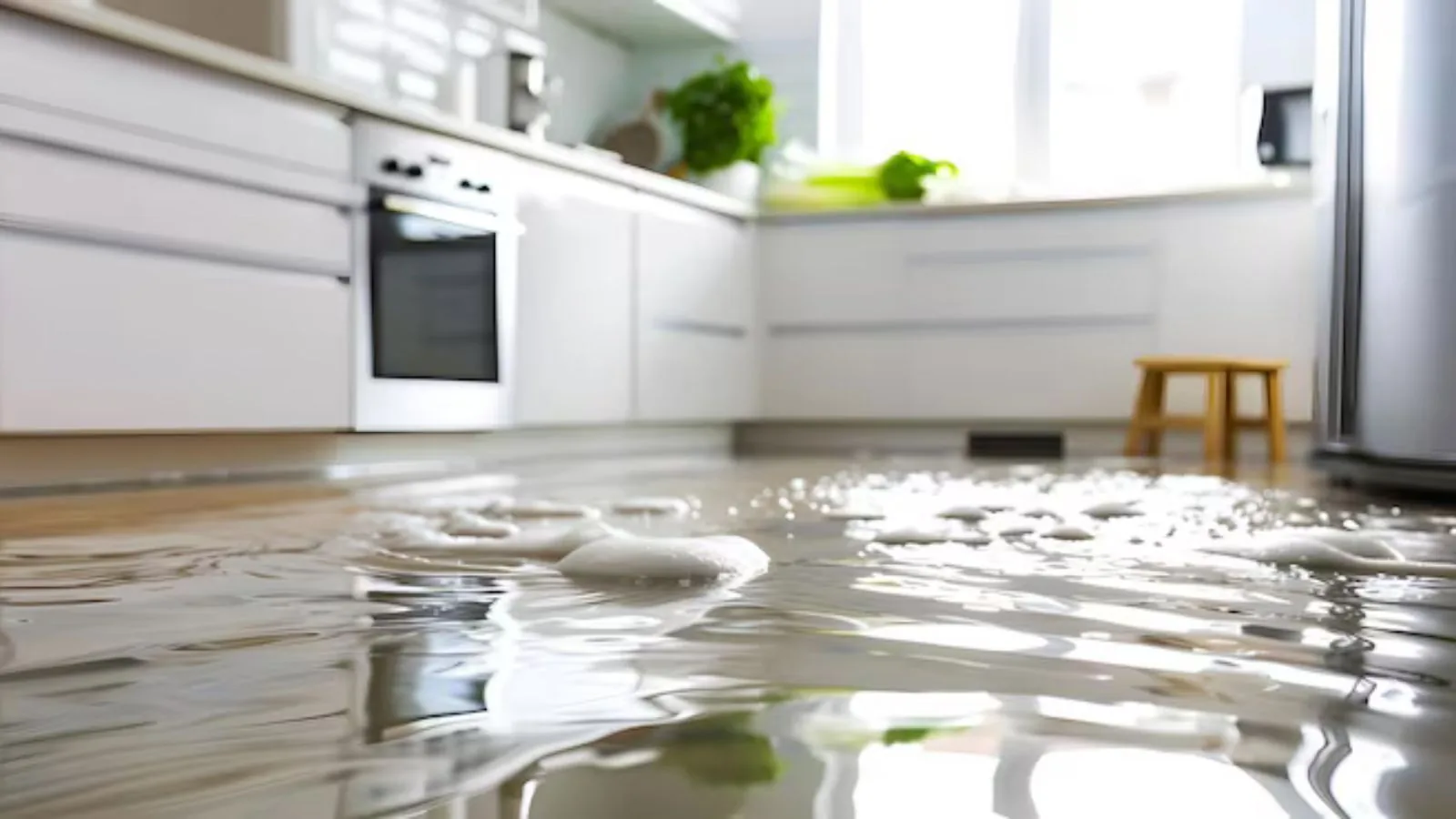
When flood water is an emergency
Flood water usually counts as Category 2 or 3, which means it can contain contaminants and should be treated carefully. Do not wade through it if you can avoid it, keep children and pets away, and do not touch electrical equipment standing in it. If the water has reached outlets, the panel or a furnace, call the utility or 911 first, because electrical hazards come before cleanup.
Our line is open 24 hours a day because rivers and storm runoff do not follow a schedule. Describe the depth, whether the water is moving, and which rooms are affected. We will tell you what to protect and what to leave alone.
Flooding along the Ashuelot and beyond
Flooding is part of Keene's recent history. The city's housing resiliency analysis lists significant river damage in 2005 and again in 2012. The same document describes three FEMA zones where homes sit: the regulatory floodway, the 1 percent annual chance floodplain and the 0.2 percent annual chance floodplain. It also notes the city has flooded outside those mapped areas, so a home that is not in a zone is not automatically safe.
The city's walking tour records damage to East Side housing along Beaver Brook in 2005, 2007 and 2012.
The practical step is to look up your own address on the FEMA Flood Map Service Center and ask the City of Keene Community Development Department how floodplain rules affect repairs. That matters before you rebuild, not after.
How flood cleanup differs from other water damage
Flood water brings silt and contaminants into the building, so we do more than dry it. Porous materials that sat in dirty water, such as carpet, pad, insulation and some drywall, are usually removed rather than saved. Hard surfaces are cleaned and sanitized, and then the structure is dried with air movers and dehumidifiers.
Each decision follows the ANSI/IICRC S500 standard for water damage restoration, which you can ask any company about. The standard separates water into three categories and guides what can be cleaned in place. For the drying phase, see our structural drying page, and for contaminated indoor water from a drain, our sewage backup cleanup page.
River or runoff water inside?
Call now and describe the depth. We answer around the clock.
Flood types and what they mean for cleanup
| Flood type | Typical water category | What it usually means |
|---|---|---|
| River overflow | Category 3 | Silt, bacteria and debris. Most porous materials removed |
| Groundwater seepage | Category 2 or 3 | Basement walls and floors wet from below. Careful drying and cleaning |
| Surface runoff after heavy rain | Category 2 or 3 | Mud and yard contaminants come in through doors and window wells |
| Snowmelt and thaw flooding | Category 2 | Saturated ground pushes water in. Often a basement problem |
What affects the cost of flood cleanup
Floods vary widely, so price follows scope, which we explain before we start.
- Water category. Contaminated water needs protective gear, cleaning agents and disposal
- Depth and duration. Deeper and longer-standing water soaks more building material
- Square footage. A larger flooded footprint needs more pumps, fans and crew hours
- Materials removed. Anything that cannot be saved, from pad to insulation to wallboard, is hauled away
- Rebuild scope. Replacement of floors, walls and trim is scoped after drying
To talk through your situation, call (603) 550-7813.
Insurance and flood damage cleanup
According to the state insurance regulator, standard homeowners policies leave out most flooding, so a separate flood policy fills the gap, and a new policy can carry a waiting period of roughly 30 days. Read the policy language on flooding and ask your insurer where your home stands. Documentation is ours to provide, and coverage promises are not.
Flood Damage Cleanup questions, answered
Are you available when a storm floods the roads?
The line stays open through storms. Road conditions can slow a response, and we tell you plainly when they do. Same-day response is the aim when it is safe, and no arrival time is promised.
Is flood water safe to clean up myself?
Not usually. River and runoff water can carry bacteria and chemicals. Clean-water leaks are one thing, but flood water calls for protective gear and proper disposal. If you do enter, wear waterproof boots and gloves and stay away from electrical equipment.
Will I have to throw away my carpet and drywall?
Often, yes, for carpet and pad that sat in contaminated water. Drywall depends on how high water rose and how long it stayed. Hard surfaces and framing can usually be cleaned and dried.
My home is not in a flood zone. Could it still flood?
Yes. The city reports flooding outside FEMA-mapped zones. Check the FEMA flood map for your address and ask your insurer about flood coverage.
Call (603) 550-7813 about flood damage cleanup.