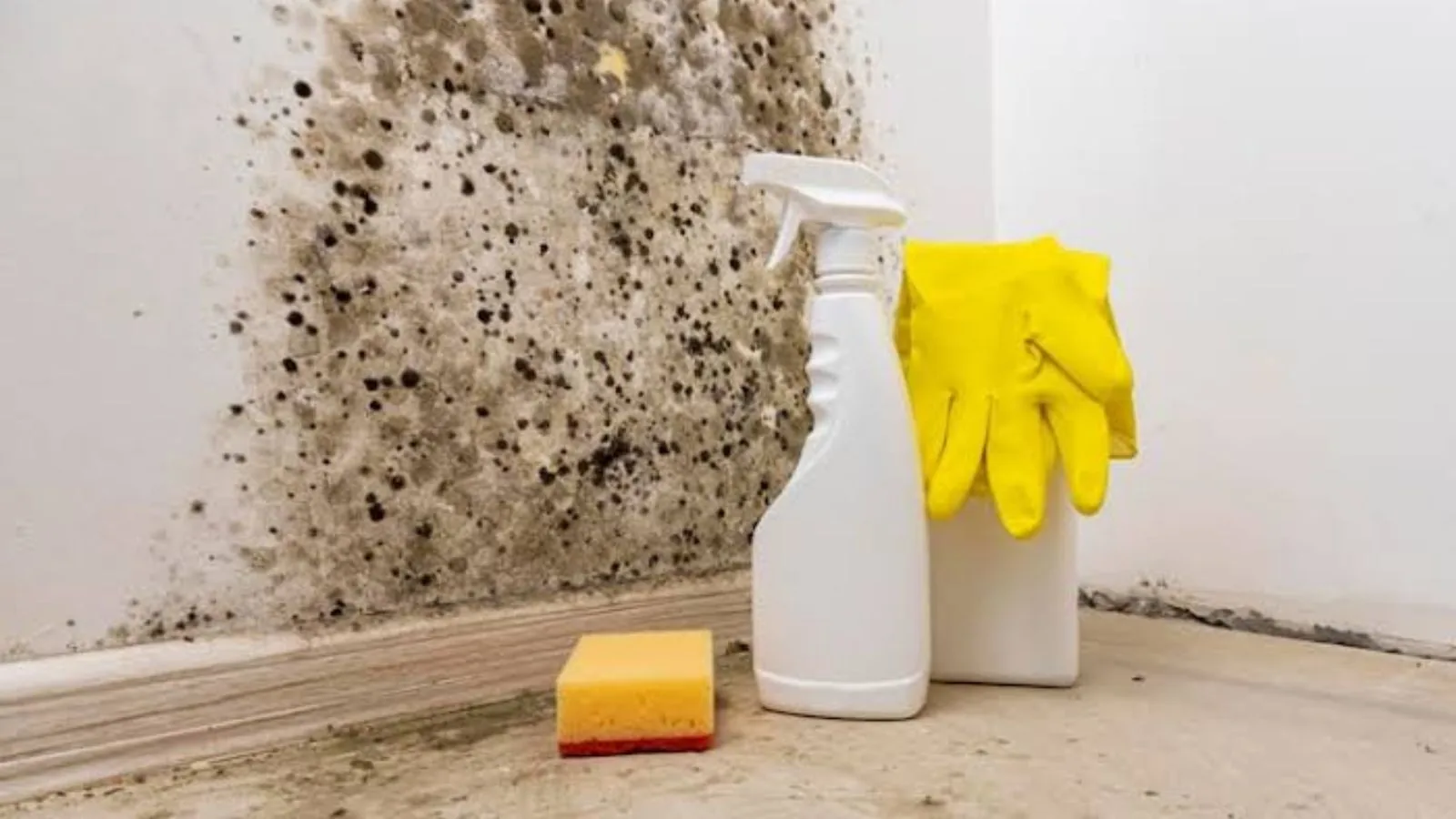
Why color is a poor guide
Mold comes in many colors, including black, green, white, gray and orange, and the same species can look different on different materials. Dark spots in a bathroom can also be soap scum, mineral deposits, dirt or old water stains. The popular label black mold is a nickname, not a diagnosis, and you cannot confirm what a spot is by looking at it.
What a dark spot tells you
What it does tell you is that moisture has been present. A bathroom with a spot behind the toilet, along the tub edge or in a ceiling corner has a moisture story to read. The useful questions are how long the area has been damp, where the water came from and whether the material underneath is wet.
A pinless moisture meter helps. A reading far above a dry wall nearby suggests a hidden leak or persistent condensation. A normal reading suggests the spot is on the surface of a material that has dried.
| What you see | What it might point to |
|---|---|
| Spots along the caulk line and grout | Surface moisture from steam and splashing |
| A spot on the ceiling above the shower | Weak ventilation or a cold roof deck above |
| Dark stain with a soft wall below | A slow plumbing leak or a failed shower pan |
| Spots behind the toilet or under the sink | A supply line or wax ring leak |
| Bubbling paint with dark specks | Moisture inside the wall |
Spots plus a musty smell?
Call and describe the room. We explain inspection, testing and next steps.
Testing: what it can and cannot do
Air and surface samples are sent to a lab, which reports what types of mold are present and how they compare with outdoor air. Testing can answer a question, such as whether growth is present in a sealed wall cavity or whether a space is clear after cleaning. It cannot tell you whether anyone will be affected, and we do not make health claims.
A tester with no stake in the cleanup is the cleanest choice for clearance testing. Lenders and buyers sometimes ask for it after a sale inspection finds mold.
What remediation looks like for a bathroom
Under the S520 standard, crews wall off the affected bathroom with plastic and run negative air, so spores cannot drift into clean rooms. Heavily affected drywall and insulation come out, hard surfaces are cleaned and moisture readings are checked before anyone rebuilds.
Then comes the repair: replacing drywall, repairing the source, adding or fixing the fan. A restoration company handles the drying and containment. A plumber or tile contractor usually handles the repair. We explain the sequence on our mold remediation page.
How to document a spot before anyone touches it
Take a clear photo of the spot with something for scale, such as a coin, and another showing the whole wall. Note the date, the room and whether there was a recent leak, a hot shower habit or a roof problem. If you later hire a company or an insurer asks, this record helps show how the spot changed over time.
Questions to ask a mold company
- Do your crews follow the ANSI/IICRC S520 standard?
- How will you contain the area, and will you use negative air and HEPA filtration?
- Will you find and report the moisture source?
- Who does the clearance testing, and is that party independent of the cleanup?
- What is the written scope, and what is excluded?
When a dark spot is not mold
Soap scum, mineral deposits, dirt and old water stains can all look like growth. A simple check is to wipe the spot with a damp cloth. If it comes off easily and does not return in a few weeks, it was probably surface dirt. If it smears, returns or sits on a soft surface, treat it as a moisture problem and look for the source before you clean again.
Local housing and bathroom moisture
Many Cheshire County bathrooms were added or remodeled in older homes with limited venting. A fan that ends in the attic, a window that is painted shut or a tub surround installed over old drywall are common causes.
If you live in Marlborough or Walpole and see spots coming back after cleaning, ask someone to check the fan duct and the wall behind the shower before you repaint.
What not to do
- Do not paint over dark spots. Paint seals in moisture and the spots reappear.
- Do not sand or scrape moldy drywall. It sends dust into the air.
- Do not mix bleach with other cleaners.
- Do not wait if there was a leak. Dry wet materials as soon as you can.
More on black mold in bathrooms
Is all black mold dangerous?
We do not make health claims. Color does not identify a type of mold. Ask a physician about any health concern, and a qualified tester about what is growing.
Can I test for mold with a store kit?
Kits can show that spores exist, which they almost always do. They do not tell you where it is growing or how much. A professional sample is more useful.
Do I have to remove drywall with dark spots?
Not always. Surface spots on dry, firm drywall may clean up. Soft, stained or repeatedly returning spots usually mean the drywall should come out.
Will insurance pay for mold in Keene?
Often only in part. Many policies limit mold unless a covered water loss came first, so check with your insurer.
Call (603) 550-7813 about black mold in bathrooms.