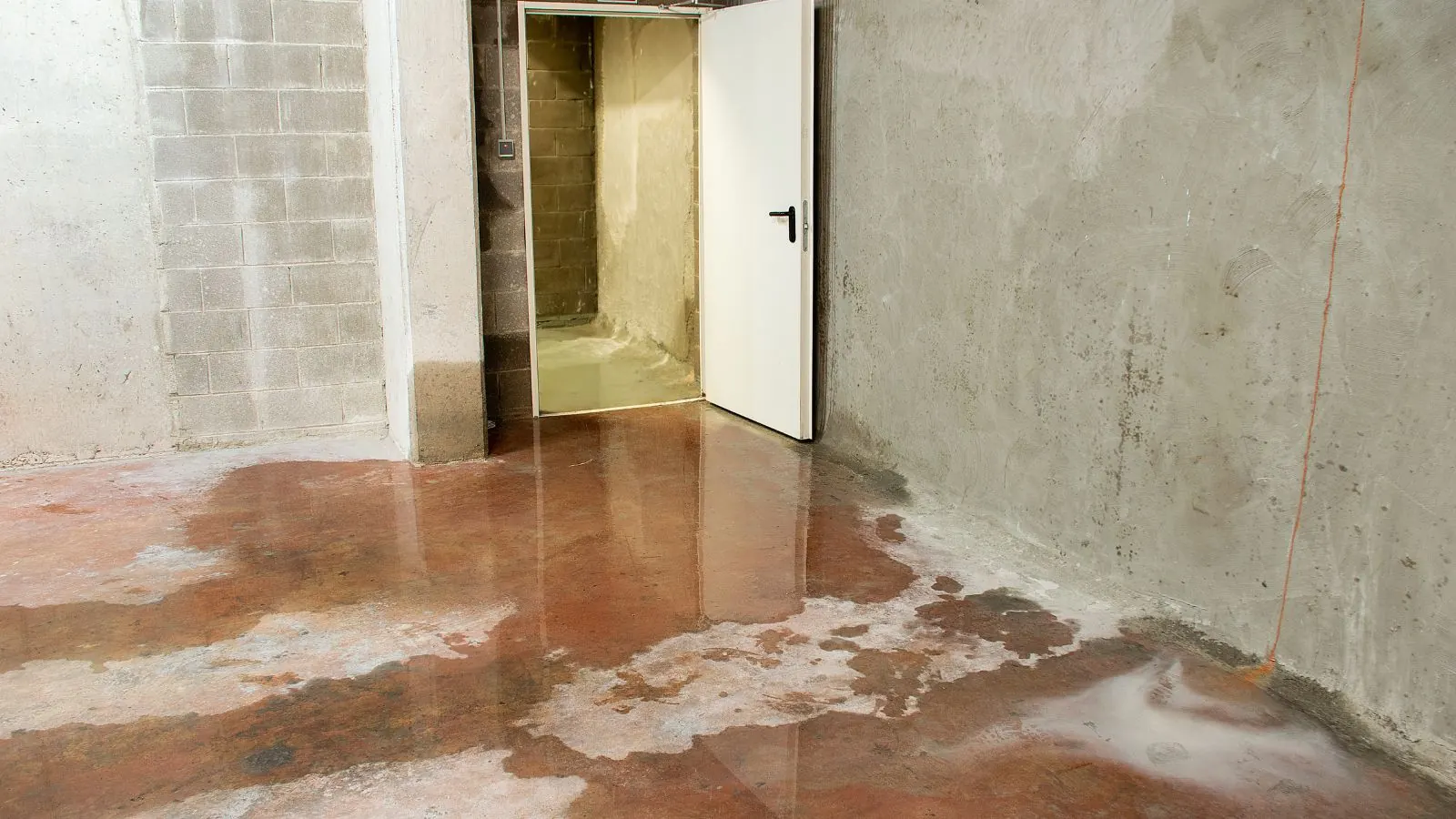
What buyers and inspectors look for
A home inspector checks basements, crawl spaces, attics, ceilings under bathrooms, the base of walls and the water heater. They look for stains, soft spots, musty smells, efflorescence on masonry and signs of past repairs. A buyer's inspector may use a moisture meter or thermal camera, so a hidden leak is easier to find than it was a generation ago.
Three paths for a seller
| Path | Upside | Trade-off |
|---|---|---|
| Fix it and document it | Buyers see a dry, repaired house with records | Upfront cost and time before listing |
| Disclose and adjust the price | Sells faster, honest about condition | Buyers may ask for a larger discount |
| Sell as is to a buyer who wants a project | Fewest steps for you | Smaller pool and lowest price |
There is no right answer for every house. Ask your listing agent how comparable homes in your neighborhood sold with and without repairs.
Dry first, then decide
Whichever path you pick, the structure has to be dry. Wet drywall, insulation and subfloors can grow mold, and a mold finding in an inspection can derail a sale. A restoration crew can extract water, dry the structure, log moisture readings and tell you what needs repair. Those readings show a buyer the house is dry now.
See our structural drying page for how drying is verified, and our mold remediation page if there is growth.
Water damage before a listing?
Call the 24/7 line. We extract, dry and document so you know where the house stands.
Disclosure and paperwork
Sellers are generally expected to be honest about known defects, and the rules for disclosure vary. Ask your agent or a real estate attorney what applies to you in New Hampshire and what to put in writing. Do not hide a stain with fresh paint. Inspectors recognize it, and a concealed defect can lead to legal problems.
Keep records: the date of the leak, photos, invoices for the repair, moisture readings, and any permit paperwork. A tidy file turns a scary history into a documented repair.
Pricing a house that was wet
Ask your agent to compare homes of similar size and condition, then talk through a range. A repaired and documented house usually sells closer to market than one with open questions. Open questions are what buyers discount. If a buyer's inspector finds moisture you did not mention, you lose both price and trust.
Showing and staging a house that had a leak
Do not stage over a problem. Open the basement, clean it out and let buyers see the walls and the sump pit. Keep records on a table near the door: the plumber's invoice, the drying log and photos. A seller who is open about the history looks more reliable than one who changes the subject. Use a dehumidifier for any area that still smells damp.
Assemble the paper trail
- Photos taken at the time of the leak.
- The plumber's invoice for the repair.
- The restoration company's moisture readings and drying log.
- Receipts for materials and labor for the rebuild.
- Permit and inspection records, if any.
- Your insurance claim number and the final settlement letter, if you want to share them.
A single folder, kept up to date, makes you look prepared and shortens the back and forth with buyers and their agents.
What a restoration company can document
A drying log lists the dates, the equipment and the moisture readings, ending with readings that match unaffected materials. Photos show what was removed and what was left. This kind of record does not replace a home inspection, but it answers a buyer's first question: was this dried properly. See our water extraction page for how a job starts.
Timing repairs against the listing
Dry first, always. Then decide how much rebuilding to do before you list. If the market is moving fast, a house with a documented repair can sell as is. If it is slow, finishing the drywall, paint and flooring helps buyers see the house instead of the project. Your agent can help you weigh the cost and the days on market.
What buyers ask about Keene houses
Buyers in the Keene area often ask about older basements, stone foundations and sump pumps. They also ask whether the house is in a flood area. You can look up an address on the FEMA flood map and mention the result in your listing materials if it helps.
Homes in surrounding towns such as Walpole and Sullivan often rely on wells and septic systems, so buyers may ask for well and septic inspections as well.
Repairs that help and repairs that do not
- Fix the source first. A plumber's invoice shows the leak is stopped.
- Dry and document before you rebuild.
- Replace wet insulation and soft drywall rather than painting over them.
- Skip cosmetic upgrades until the structure is sound.
- Keep every receipt.
When water damage is old
An old stain that has dried may only need a moisture check and a sealing coat. A stain that has grown, a soft spot or a smell calls for a closer look. A professional can read the wall, tell you if it is wet, and list what a repair requires. It is easier to price a house when you know.
More on selling a house with water damage
Do I have to tell buyers about past water damage?
Disclosure rules vary. Ask your agent or an attorney what applies in New Hampshire, and be honest about known problems.
Should I repair or sell as is?
It depends on the cost, the market and your timeline. Dry the structure either way, and ask your agent how comparable homes sold.
Can drying records help me sell?
Yes. Moisture readings and photos show the house was dried and checked, which can reassure buyers and inspectors.
Will a buyer's inspector find hidden moisture?
Often. Inspectors use moisture meters and thermal cameras, so assume it will be found.
Call (603) 550-7813 about selling a house with water damage.