First, make it safe
If water is pouring from a ceiling, fixture or pipe, close the nearest shutoff if you know where it is. If you do not, ask the landlord or building manager for the main shutoff. Stay out of rooms with wet outlets or ceiling light fixtures that hold water. Call 911 for any electrical hazard or flooding you cannot control.
Document before anything moves
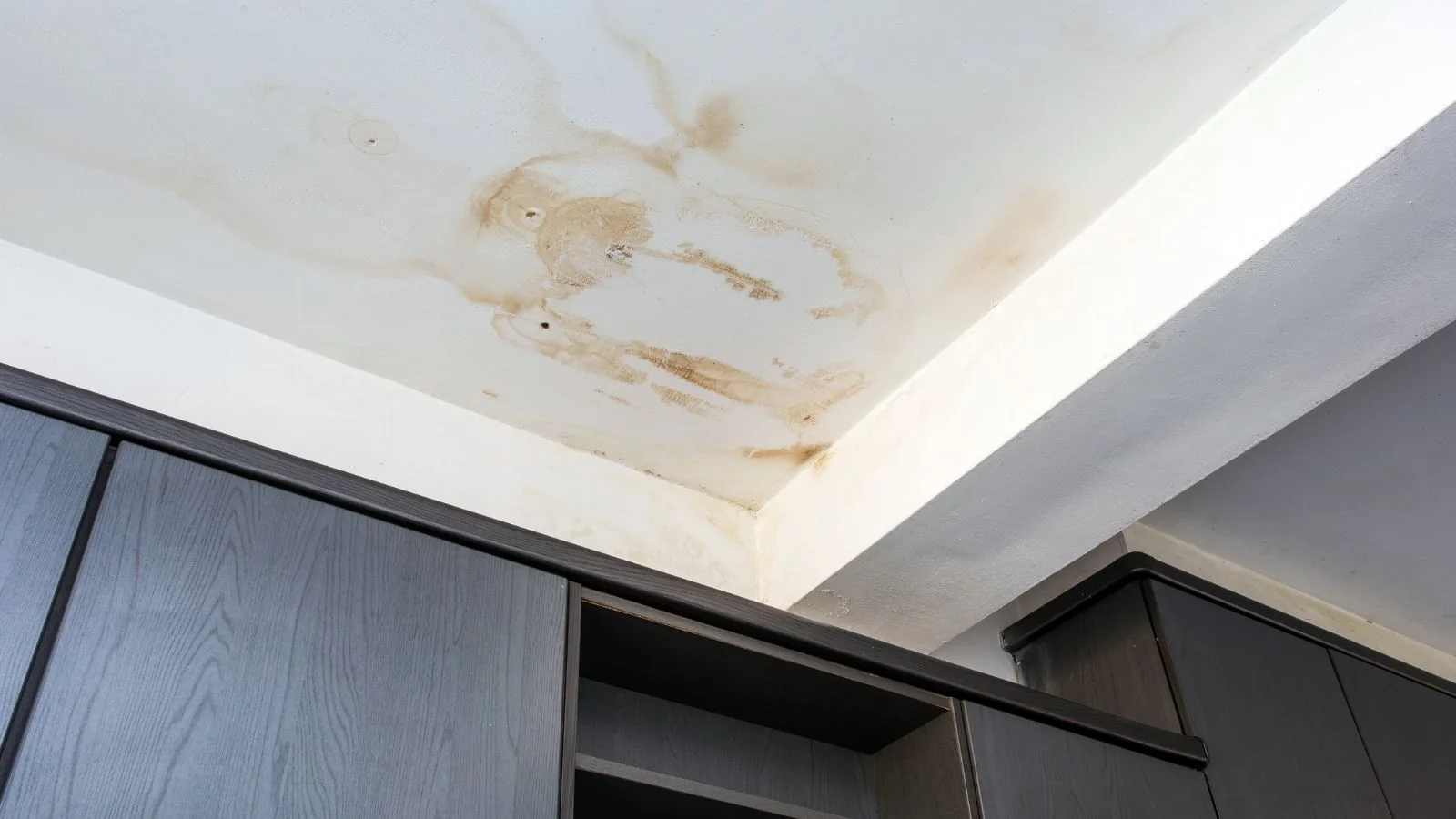
Take photos and video of the source, the stained ceiling, the wet floor and your belongings. Note the date and the time. Photograph the unit above or next door if you can see the cause. This record helps with the landlord, with your renter's insurance and, if needed, with the deposit later.
Tell the landlord in writing
Phone calls are fine in an emergency, but follow up with an email or text that describes the problem, the date, what you did and what you need. Keep a copy. Ask who is arranging repairs and drying, and when. A written record shows that you gave notice.
Property manager needs water out?
Call the 24/7 line. We dry multi-unit losses and document each unit.
Your belongings and renter's insurance
A landlord's insurance generally covers the building, not your belongings. Renter's insurance covers your things, and may pay for temporary housing if a unit is unlivable. Report the loss to your insurer and ask what they need. Keep damaged items until they have been seen unless they are unsafe.
If you do not have renter's insurance, ask your landlord what the lease says about damage and who is responsible. A legal aid office or an attorney can advise on your rights in New Hampshire.
| Who | Typically responsible for |
|---|---|
| Landlord or property manager | Stopping the source, drying and repairing the building |
| Tenant | Giving prompt notice, protecting belongings, documenting |
| Landlord's insurer | Building damage under the policy |
| Renter's insurer | Your belongings and often temporary housing |
The lease and local law control the details, so read yours.
Why drying fast matters in a rental
Wet drywall, carpet and pad can grow mold in a day or two. If the landlord is slow, mold can become the larger problem, and a musty smell is the first clue. A crew can extract water, set air movers and dehumidifiers, and log readings. See our structural drying page. If you see growth after a leak, our mold remediation page explains the next step.
Temporary housing and rent
If a unit is unlivable, ask the landlord in writing what happens to the rent and where you can stay. Renter's insurance may pay for temporary lodging, which is why it is worth having. Keep receipts for hotel stays, meals and extra costs. A legal aid office or an attorney can advise on rent and your rights in New Hampshire.
Moving and cleaning belongings
Lift belongings off wet floors but do not throw things away before photographing them. Dry what you can, and wash fabrics that were clean. Items that sat in dirty water should be discarded. If the unit smells musty after drying, tell the landlord, because that can point to a wet wall or a floor that did not dry.
What a good notice includes
- Your name, unit and the date.
- A short description of the problem and where the water is coming from, if you know.
- The date and time you first noticed it.
- A request for a repair date and a contact for the repair.
- A line saying photos are attached.
Send it in a way that leaves a record, such as email or certified mail, and keep a copy.
If you suspect mold in the unit
Tell the landlord in writing, describe where you see it and when the leak happened, and ask for drying and an assessment. Avoid scrubbing a large area yourself. We do not make health claims, and questions about health belong with a physician.
Talking with neighbors and the building manager
In a multi-unit building, water often comes from a neighbor's unit or from shared plumbing. Knock on the doors above and beside you, tell them what you see and ask them to check for a leak. Let the building manager know right away, because a shutoff for the stack may stop the source faster than a repair call.
Keeping records for later
Save your photos, your written notice, replies from the landlord, receipts and the date repairs were completed. If a dispute over rent, a deposit or a damaged belonging comes up months later, a timeline is your strongest evidence. Back up the files to a cloud folder, not just your phone.
Apartments and older buildings in Keene
Keene has many older multi-unit houses and converted buildings near downtown and Keene State College. In a building like that, a leak in one unit usually travels to the unit below, so a good response involves the whole stack.
The same applies in the nearby town of Swanzey and in Walpole, where the state profile counts more than 350 housing units in multi-unit buildings. Tell your neighbors below you if water is coming down.
More on water damage in a rental
Can I hire a restoration company myself?
It is usually the landlord's call because it is their building. Ask them first, and if they are slow, document your requests.
Who pays for my ruined belongings?
Often your renter's insurance. A landlord is not automatically liable for belongings. Check the lease and your policy.
What if the landlord does not respond?
Send written notice and keep records. A legal aid office or attorney can explain your options in New Hampshire.
Will mold in my apartment be treated?
Mold usually follows moisture. Tell the landlord in writing and ask for drying and an assessment. We do not make health claims.
Call (603) 550-7813 about water damage in a rental.