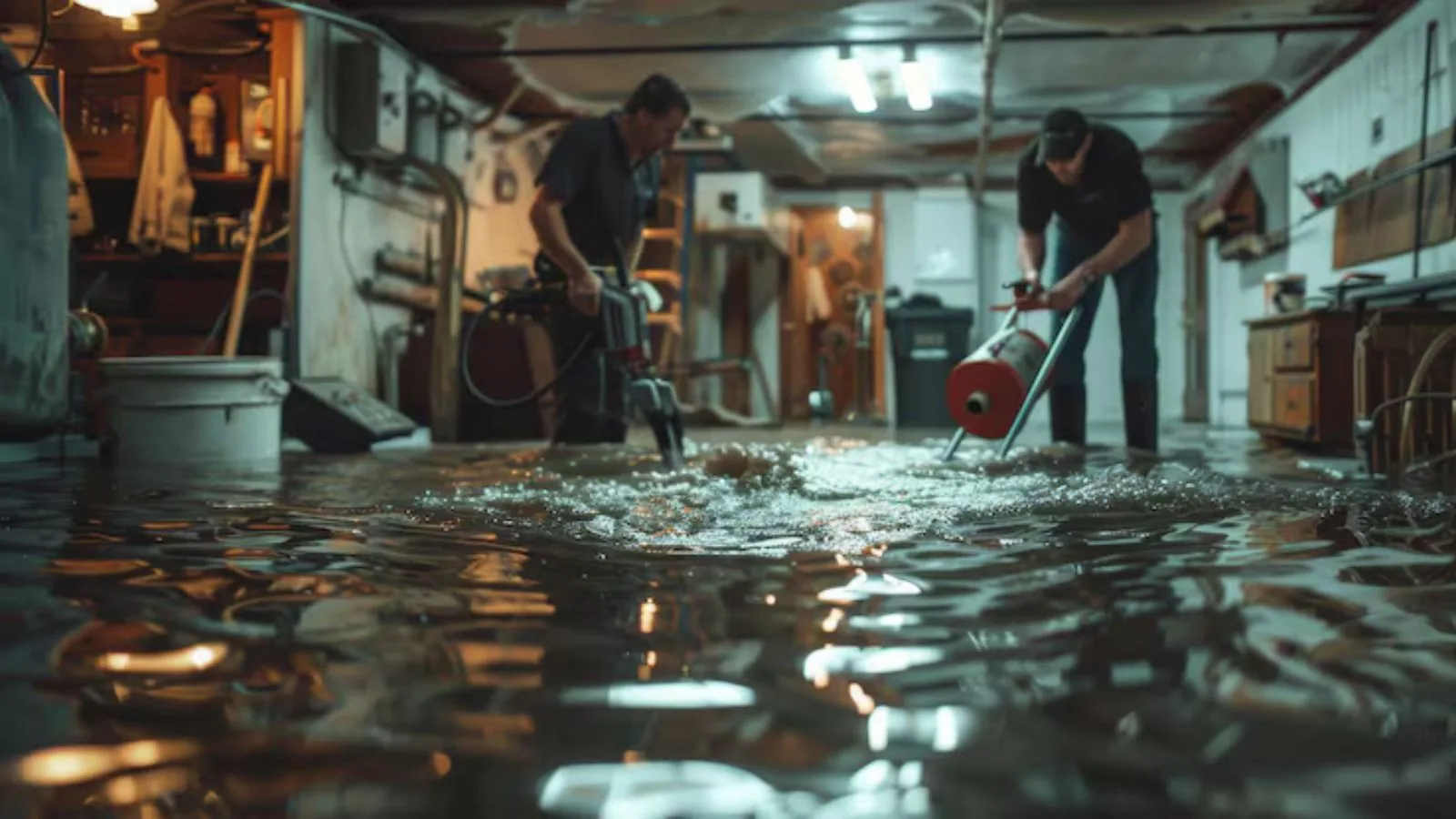
Step one is safety and stopping the source
Before you think about paperwork, make the house safe. Shut off the water at the main valve or the fixture, stay out of rooms where water has reached outlets or the panel, and keep children and pets away from dirty water. If the source is a roof, cover it if you can do so safely or leave it to the crew.
A claim does not require you to take risks. Insurers expect you to take reasonable steps to limit damage, and reasonable means safe.
Document before you clean up
Walk through every affected room with your phone and record video, then take still photos of each wet wall, floor, ceiling and piece of furniture. Photograph the source of the leak, a broken pipe or a failed hose, and keep the part if you can. Write the date and the time you found the water.
Make a list of damaged belongings with a rough age and value, and hold on to any receipts or manuals. This list is what an adjuster will walk through later. A shaky video taken in the first hour is worth more than a polished inventory written a month later.
Report the loss and ask the right questions
Call your insurer or agent soon after you stop the water. Ask what the policy expects for emergency mitigation, whether an adjuster will visit, and what documents they want. Note the claim number, the date and the name of the person you spoke with. Ask whether the policy has a deductible for water damage and whether it is a fixed amount or a percentage of the home's value.
Need water out today?
Call the 24/7 line. We start extraction and keep a record of every reading.
What a restoration company's records add
| Record | Why it helps a claim |
|---|---|
| Moisture readings with dates | Shows what was wet, how wet and when it dried |
| Thermal camera images | Shows where water traveled behind walls and under floors |
| Photos before and after | Backs up what was removed and why |
| Equipment logs | Shows which air movers and dehumidifiers ran and for how long |
| Written scope and price | Lets the adjuster compare against the estimate |
These records come out of normal drying work, as described on our structural drying page. We give them to you, and you decide what to send to your insurer. We do not negotiate with insurers on your behalf and we do not promise approval or direct billing.
What the adjuster visit looks like
An adjuster walks the damaged areas, takes photos, asks how and when the water appeared and reviews your documentation. They may bring a moisture meter of their own. Have your photos, the plumber's invoice, your restoration company's readings and your contents list ready, and show them the source of the leak if it is still visible.
Ask the adjuster what the estimate will include and when you can expect it. If their scope is smaller than your contractor's, ask what accounts for the difference and send the drying records and photos that support the larger scope.
Keep a claim log
- Write down every call with the date, the time, the name and what was said.
- Save every receipt for emergency work, temporary housing and supplies.
- Keep emails and texts in one folder.
- Note which items were removed, who removed them and where they went.
- Ask for important answers in writing.
Claims in a Cheshire County house
Older houses in the Keene area often hide water. Plaster walls, stone foundations and old plumbing runs make it easy for a leak to travel before it shows. That is why moisture mapping matters. An adjuster who sees a stain on one wall may not know the cavity behind it is wet.
If your house is in Swanzey or Walpole, the same steps apply. Mention the town when you call so the dispatcher can plan the route and the equipment.
Common mistakes that slow a claim down
- Throwing out damaged items before photographing them.
- Waiting days to call, then trying to separate old damage from new.
- Signing a contract that promises insurance approval. No company can promise that.
- Letting wet drywall and carpet sit while waiting for an adjuster. Drying is a duty under most policies.
- Paying cash for repairs without an itemized scope.
If the claim is denied or reduced
Ask for the denial in writing and read the reason. Some denials rest on a policy exclusion and some on a disagreement about cause or scope. You can ask for the adjuster's report, add your own documentation and ask for a second review. The New Hampshire Insurance Department accepts written complaints about insurers. For a flooded basement from groundwater, the exclusion is common, and a separate flood policy is the usual remedy for future losses.
More on water damage insurance claims
Should I clean up before the adjuster visits?
Stop the water and remove standing water to prevent further damage, but photograph everything first and keep damaged items unless they are unsafe.
Do restoration companies file the claim for me?
No. You file the claim with your insurer. We provide readings, photos and a written scope you can share.
How long does drying take for a claim?
Most structures dry in a few days, depending on materials and conditions. We log readings until they match dry reference values.
Can I pick my own contractor?
Usually yes, but check your policy. Ask your insurer about any requirements before you sign anything.
What if I only discover the damage later?
Report it as soon as you find it and explain when and how you noticed. Gradual damage may be treated differently from sudden damage, so give your insurer the dates, photos and any readings you have.
Call (603) 550-7813 about water damage insurance claims.